
How Long Should Mindfulness Be Practiced Daily?
Let's talk about something you've probably heard about a lot lately: mindfulness. It's everywhere, from phone apps to magazine covers. Maybe you're curious. Maybe you're stressed and looking for a way to feel better. But the biggest question for most people is this: "How long do I actually need to do this each day to make it work?
If you've ever pondered that, you're in the right put. We're going to cut through all the befuddling exhortation and keep it super straightforward. No favor words. No complicated rules. This is a conversation between companions. Think of mindfulness practice time daily like learning a unused ability, such as heating bread or tossing a ball. You wouldn't begin by attempting to heat ten rolls or pitch a idealize amusement on your to begin with attempt. You'd begin with one basic step. Mindfulness is the same. The key is to start with something so simple you can't conceivably come up short. This direct is for you—the active parent, the exhausted worker, the understudy with a pressed plan, or anybody who fair needs a small more peace. Let's figure this out together.
Start So Small It Feels Silly: The One-Minute Secret
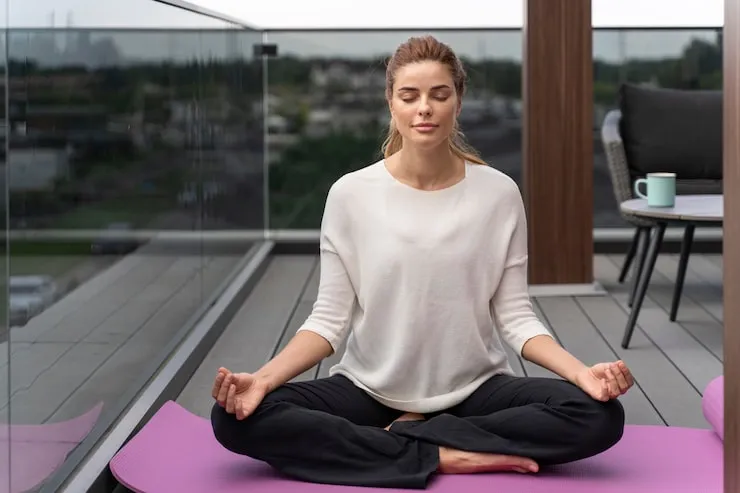
Here is the most critical tip you will examined: Begin with one miniature. Fair 60 seconds. That's it.
Why one miniature? Since your brain cherishes to win. When you set a objective that is unimaginably simple, like "I will sit for one miniature," you succeed each single time. This victory feels great. It makes your brain need to do it once more. If you begin by saying, "I will ponder for 30 minutes each morning," you are setting yourself up for a extreme time. On a active day, 30 minutes feels incomprehensible, so you might skip it. At that point you feel like you fizzled. Beginning little expels all that pressure.
How to do your one minute:
- Set a clock on your phone for 60 seconds.
- Sit in any chair. You do not require to be on the floor.
- Close your eyes or fair see down at the floor.
Feel your breath. Take note the discuss coming into your nose and going out. Do not attempt to alter it. Fair feel it. Your intellect will begin considering. "I require to do clothing." "What's for supper?" This is 100% typical. It's what minds do. When you take note you're considering, tenderly bring your consideration back to your breath. That's the entirety practice. The enchantment is in the "appearing up." Doing one miniature each day is distant more effective than doing 20 minutes once in a whereas. You are building a habit. It builds believe. A minor, simple hone instructs your intellect that mindfulness is secure and not a chore. You begin to see forward to your miniature of quiet.
Read Also: Kundalini Yoga for Energy and Mindfulness for Beginners
Finding Your Daily "Sweet Spot": 5 to 20 Minutes
After a week or two of one miniature, you might actually feel like sitting for a bit longer. That's a extraordinary sign! Your intellect is beginning to appreciate this calm time. For building a enduring every day propensity, investigate and encounter point to a exceptionally commonsense "sweet spot": between 5 and 20 minutes per day. This run is long sufficient to let your intellect settle down from its regular busyness, but brief sufficient to fit into a real-life plan without getting to be a burden.
10 minutes is a culminate target. Numerous individuals discover that pointing for almost 10 minutes a day is the idealize adjust. It gives you sufficient time to move past the beginning fretfulness and touch a feeling of calm. It's like letting a sloppy glass of water sit still—the mud (your active contemplations) settles, and the water (your intellect) gets to be clearer. Consistency beats term each time. Practicing for 10 minutes every day is much more useful than practicing for one hour on Sunday and at that point doing nothing the rest of the week. Your brain learns and changes through standard, rehashed hone, fair like a muscle develops with normal exercise.
Where to Find the Time in Your Crazy Busy Life?
"I do not have time!" This is the number one reason individuals grant up. Let's illuminate this. You do not discover time; you make it by interfacing your unused propensity to an ancient one. This trap is called "propensity stacking." You "stack" your modern mindfulness propensity on beat of a propensity you as of now do without thinking.
Here are a few simple ideas:
- After your to begin with taste of morning coffee or tea. Drink your warm refreshment, at that point do your mindfulness hone right there at the kitchen table.
- After brushing your teeth at night. Wrap up at the sink, at that point sit on the edge of your bed for your few minutes some time recently you lie down.
- Before beginning your car. When you buckle your seatbelt, take one miniature to breathe some time recently you turn the key.
- During your lunch break. After you wrap up eating, near your office entryway or discover a calm seat for a brief reset.
What Happens When You Miss a Day (Or a Week)?
You will miss a day. Life happens. Your kid gets wiped out, you have a late work assembly, or you're fair as well tired. This is totally typical and anticipated. It is not failure.
How you handle lost a day is more critical than never lost a day.
Be a kind companion to yourself. If you miss Monday, do not chasten yourself. Do not attempt to do 20 minutes on Tuesday to "make up for it." Fair discreetly begin once more on Tuesday with your typical one, five, or ten minutes.
Think advance, not flawlessness. Your travel will not be a straight line. It will be a wavy line with great days and off days. The objective is for the line to gradually slant upward over weeks and months.
Tuning Into What You Need Each Day
Some days, you'll sit down and feel calm rapidly. A 10-minute session might feel superb. Other days, your intellect will be hustling with stresses and plans. On those boisterous days, driving yourself to sit for 10 full minutes might feel frustrating. It's affirm to alter. The hone of mindfulness is around being mindful and kind, not almost being strict. Listen to your intellect. If after 3 minutes you feel as well anxious, it's affirm to conclusion your session. A brief, kind hone is superior than a long, tense one.
Listen to your body. If you're feeling hardened, attempt a careful walk instep of sitting. Pay consideration to the feeling of your feet on the ground. If you're tired, attempt a lying-down body check, fair taking note how each portion of your body feels.
Keeping It Fresh: Different Ways to Practice

"Doing mindfulness" doesn't continuously cruel sitting noiselessly with your eyes closed. If that feels boring or difficult, attempt a diverse entryway into the hone. The objective is to pay full consideration to what you are doing, right now. Mindful Strolling: Walk gradually, either interior or exterior. Feel your heel touch the ground, at that point your toe. Take note the discuss on your skin. Tune in to the sounds around you. Mindful Eating: Choose one little nourishment, like a raisin or a piece of chocolate. See at it. Scent it. Put it in your mouth and taste it gradually. Take note all the flavors and textures. Mindful Tuning in: Put on a melody you know well. Instep of letting it play in the foundation, truly tune in. Listen each instrument. Take note the singer's voice. Take after the song from begin to finish.
You May Also Like: The Transformative Benefits of Mindfulness Yoga: A Path to Wellness and Inner Peace
Your Brain on Mindfulness: What Changes with Daily Practice
You might ponder, "What is this really doing for me?" When you hone routinely, indeed for brief periods, you begin to prepare your brain in supportive ways. You get superior at hitting the "delay" button. Instep of immediately responding to stretch (like hollering when you're irate), you make a minor space. In that space, you can select a calmer response. You take note your considerations without getting stuck in them. You learn that considerations are fair thoughts—they come and go like clouds in the sky. You do not have to accept each stressed thought that pops up.
You gotten to be more display. You spend less time stressing approximately the future or lamenting the past. You get superior at getting a charge out of the little minute you are in right presently, like a great dinner or a conversation.
Simple Tools to Help You Get Started
You do not require anything extraordinary to hone. But if you need a small direction, these instruments are simple and popular. Free Apps: Apps like Grinning Intellect and Solid Minds Program are totally free and offer brief, guided sessions culminate for fledglings. They conversation you through the process.
A Straightforward Clock: The "Knowledge Clock" app has a free clock with delicate beginning and finishing chimes. You can set it for 5 minutes and fair sit with your breath. Your Claim Breath: This apparatus is continuously with you, and it's free. Any time you feel overpowered, you can halt and take three profound breaths, feeling each one. That is a scaled down mindfulness session.
Frequently Asked Questions (FAQ)
How long should a complete beginner practice mindfulness each day?
Start with fair one miniature a day. It sounds straightforward, but that’s the point. One diminutive is so simple you can’t fall flat. Sit discreetly, feel your breath, and when your intellect meanders, delicately bring it back. Doing this every day builds the propensity. After a week, you can attempt two or five minutes.
Is 5 minutes of mindfulness a day enough for a beginner?
Yes, 5 minutes is a extraordinary objective for a fledgling. It’s long sufficient to offer assistance you feel calmer but brief sufficient to fit into any plan. Practicing for 5 minutes each single day is distant more effective than doing 30 minutes once in a whereas. Consistency is what truly makes a difference your brain learn.
What if I can’t sit still for even a few minutes?
That’s totally typical! You don’t have to sit still. Attempt careful strolling instep. Walk gradually and feel your feet on the ground. Or, attempt careful eating with one raisin, paying full consideration to the taste. The objective is to center your consideration, not to be impeccably still.
When is the best time of day for a beginner to practice?
The best time is the time you will actually do it. For many, morning helps set a calm tone. For others, evening helps them unwind. Try linking it to a habit you already have, like after your morning coffee or after brushing your teeth at night. This makes it easier to remember.
How will I know if my short daily practice is working?
You might take note little signs to begin with. Perhaps you delay and take a breath some time recently responding to stretch. Or you might feel a small less occupied. Don’t see for tremendous changes right absent. The benefits construct unobtrusively over time with standard, brief hone. Believe that appearing up is the work.
Conclusion
So, we conclusion where we started. The mystery to a enduring mindfulness hone isn't found in long, strongly sessions. It's found in the little, calm guarantee you make to yourself each day. You do not require a extraordinary room, costly equip, or hours of free time. You fair require you, your breath, and a eagerness to begin little. Construct your propensity one diminutive at a time. Be kind to yourself when you falter. Discover small ways to weave minutes of consideration into your ordinary day.
The objective is a life where you feel more in charge of your responses, more associated to the display, and more at peace with the active stream of contemplations in your head. That life is built diminutive by diminutive, day by day.