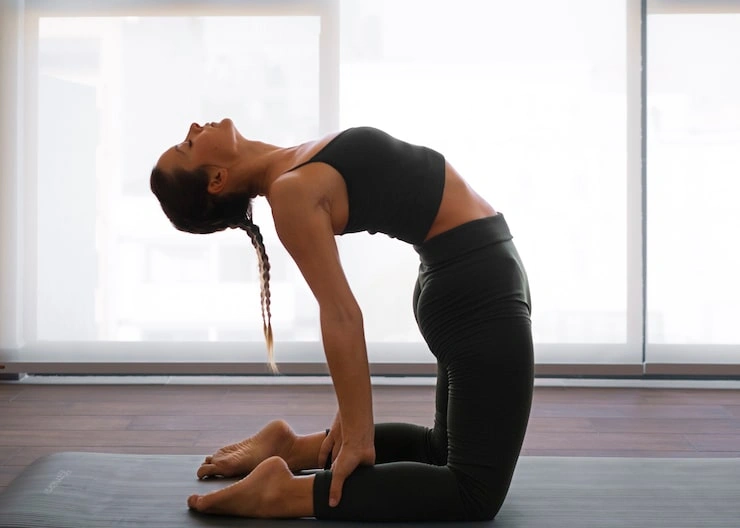
Yoga Postures For Strength
Yoga is often seen as a practice for flexibility and calm. But ask anyone who has held a Plank for two minutes or moved through a slow Chaturanga flow, and they will tell you something different. Yoga builds real strength. Not the kind that comes from machines at the gym, but the kind that comes from moving and holding your own body weight.
A study followed 79 people who practiced sun salutations six days a week for 24 weeks. By the end, their upper body muscle strength had increased significantly. That is not a small change. That is proof that a consistent yoga practice can reshape your body.
This guide walks you through the best yoga postures for strength. You will learn how to do each pose, why it works, and how to build a practice that fits your body.
Why Holding a Pose Builds Muscle?
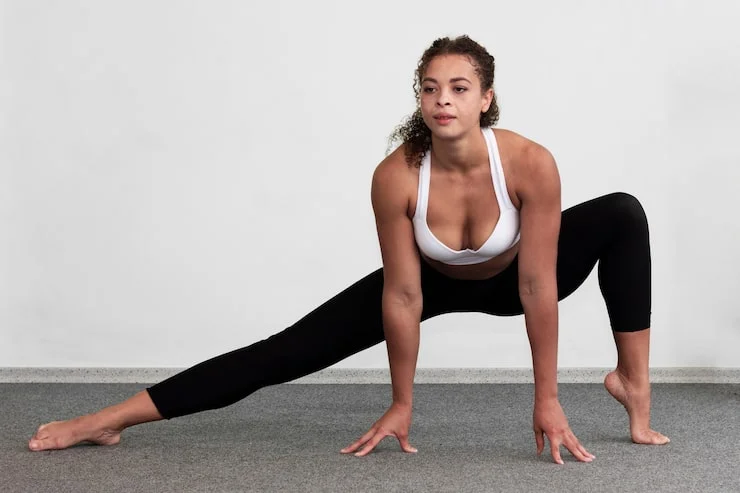
When you hold a yoga pose, your muscles work against gravity. They stay switched on for seconds or minutes at a time. That constant tension tells your body to adapt. Muscle fibers break down slightly and rebuild stronger. This is the same process that happens when you lift weights.
The difference is that yoga also asks you to breathe and stay focused while your muscles burn. That combination trains your body and your mind at the same time. You learn to stay calm under effort, which is a skill that helps in everyday life.
Read Also: Yoga For Lower Back Pain Beginners
Postures for Core Strength
Your core is more than your belly. It includes the deep muscles around your spine, your lower back, and your sides. These postures train all of them.
Boat Pose
Sit on your mat with your legs extended in front of you. Lean back a little. Lift your feet off the floor. At first, keep your knees bent. When you feel ready, straighten your legs until your body makes a V shape. Reach your arms forward.
Boat Pose works the deepest layer of your belly, the muscles that wrap around your waist like a corset. These muscles support your lower back. If you sit at a desk all day, they are probably weak. Practicing Boat Pose regularly can reduce lower back pain because a strong deep core takes pressure off your spine.
Hold for five to ten breaths. Lower down slowly. Do not drop.
Plank Pose
Start on your hands and knees. Step your feet back one at a time. Your body should form one straight line from your head to your heels. Your hands go directly under your shoulders. Press through your palms. Squeeze your belly, your glutes, and your legs.
Plank works your shoulders, arms, back, and belly at once. It also tests your mind. When your arms start to shake, your brain tells you to stop. Learning to stay for a few more breaths is part of the practice.
If full Plank is too hard right now, drop your knees to the mat. You still get most of the benefit. Build up over weeks, not days.
Locust Pose
Lie on your belly. Keep your legs hip-width apart. Place your arms alongside your body. On an inhale, lift your chest, arms, and legs off the mat. Keep your gaze down so your neck stays neutral. Press your pelvis into the floor to protect your lower back.
Locust strengthens the muscles along your spine, your glutes, and your hamstrings. These are the muscles that hold you upright when you sit or stand. If you spend hours hunched over a laptop, this pose helps undo some of that damage. Hold for eight to ten breaths.
Postures for Leg Strength
Strong legs protect your knees and hips. They also make daily movement easier. These postures build power from your hips down to your ankles.
Chair Pose
Stand with your feet hip-width apart. Raise your arms overhead. Bend your knees and sit your hips back, like you are lowering into a chair. Keep your chest lifted. Keep your weight in your heels. Do not let your knees travel past your toes.
Chair Pose mimics the motion of squatting to pick something up. It strengthens your thighs, calves, ankles, and core. Hold for 30 seconds to a minute. If you want more challenge, come onto your toes or hold longer.
Warrior II
Stand with your feet wide apart. Turn your right foot out 90 degrees. Turn your left foot slightly in. Bend your right knee until it sits directly over your right ankle. Stretch your arms out to the sides at shoulder height. Look over your right fingertips.
Hold for 30 seconds to a minute. Then switch sides.
Warrior II builds strength in your legs, hips, and shoulders. The bent front leg works your quads and glutes. The straight back leg works your inner thigh and outer hip. Your arms held out to the sides build shoulder endurance. This pose also sharpens your focus because you have to stay steady while your legs burn.
Reverse Plank
Sit with your legs extended in front of you. Place your hands behind your hips. Point your fingers forward. Press into your hands and feet. Lift your hips until your body forms a straight line from your shoulders to your heels. Keep your chest open. Keep your head in line with your spine.
Reverse Plank strengthens your glutes, hamstrings, and upper back. It also stretches your chest and the front of your ankles. Many yoga sequences focus on pushing movements that tighten the chest. Reverse Plank balances that by opening the front of your body while strengthening the back. Hold for five to ten breaths.
Postures for Arm and Shoulder Strength
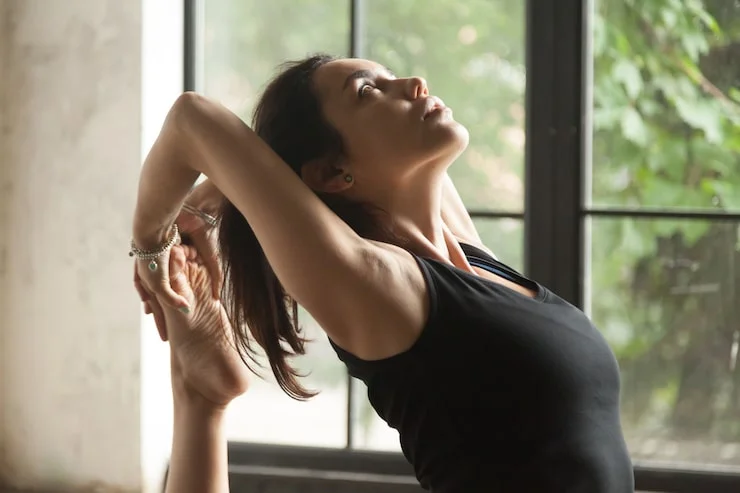
Every time you place your palms on the floor and support your body weight, you build arm strength. These postures do exactly that.
Downward-Facing Dog
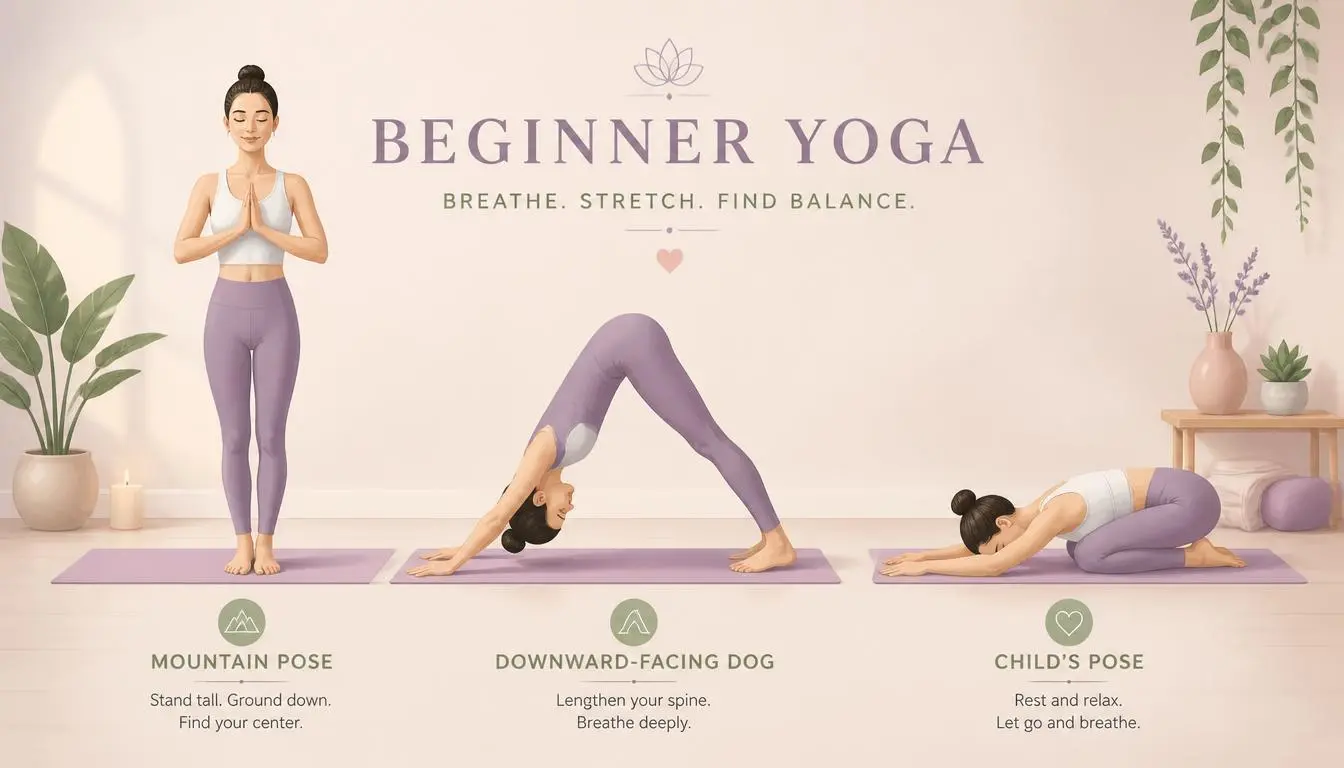
Start on your hands and knees. Curl your toes under. Lift your knees off the floor. Push your hips back and up so your body forms an upside-down V. Press firmly into your hands. Reach your heels toward the floor. Your heels do not need to touch. Keep your neck relaxed.
Downward Dog strengthens your shoulders, arms, and upper back. It also stretches your hamstrings and calves. It shows up in almost every yoga class because it builds strength and flexibility at the same time. Stay for five to ten breaths.
Chaturanga
From Plank Pose, shift your weight forward a little. Bend your elbows and lower your body until your upper arms are parallel to the floor. Keep your elbows close to your ribs. Your body stays in one straight line. If this is too hard, lower your knees to the mat.
Chaturanga strengthens your chest, shoulders, triceps, and core. It is one of the hardest poses in yoga. Do not expect to master it in a week. Practice it consistently and your strength will grow.
Side Plank
From Plank Pose, shift your weight onto your right hand. Roll onto the outer edge of your right foot. Stack your left foot on top. Lift your left arm toward the ceiling. Keep your body in one straight line.
Hold for five breaths. Then switch sides.
Side Plank strengthens your core, shoulders, and legs. It also shows you which side of your body is weaker. Most people have one side that struggles more. Practicing both sides equally helps fix that imbalance. If stacking your feet is too hard, bend your top leg and place that foot on the floor in front of you.
You May Also Like: Easy Yoga Postures For Beginners At Home
How to Build a Strength Practice?
You do not need to do every pose in one session. A good practice has a warm-up, a mix of poses, and a cool-down. Start with a few rounds of Cat-Cow to warm up your spine. Then do two or three rounds of Sun Salutations to warm your whole body. Move into the strength poses. Hold each for five to ten breaths. End with gentle stretches and a rest.
You can also turn this into a circuit. Move through the poses one after another. Rest. Repeat two or three times. This builds endurance along with strength.
What to Expect Over Time
Strength does not come from one practice. It comes from showing up again and again. The first time you hold Plank for thirty seconds, your arms might shake. After a few weeks, thirty seconds feels manageable. After a few months, you wonder why it ever felt hard.
That progress is real. It compounds. And it carries over into everything else you do.
Yoga builds strength without the joint stress that comes from heavy lifting for many people. It also teaches you to breathe through challenge. Start where you are. Hold each pose for as long as you can with good form. Next week, hold it a little longer.