Mindfulness Yoga For Back Pain Relief
My back has been hurting for years. Not the kind of hurt that goes away after a good night's sleep. The kind that stays. The kind that makes you dread getting out of bed. The kind that makes you snap at your kids for no reason. I tried everything. Pills from the doctor. Creams from the drugstore. That expensive chair my wife bought me. Nothing worked for long. Then a friend mentioned yoga. I laughed. Me? Yoga? I cannot even touch my toes. But she said it was different. She said it was slow. She said it was about paying attention, not about being flexible. So I tried it. And honestly, it changed things. Not overnight. But slowly. My back still hurts sometimes. But not like before. I can do more now. I feel better.
What mindfulness yoga actually means?
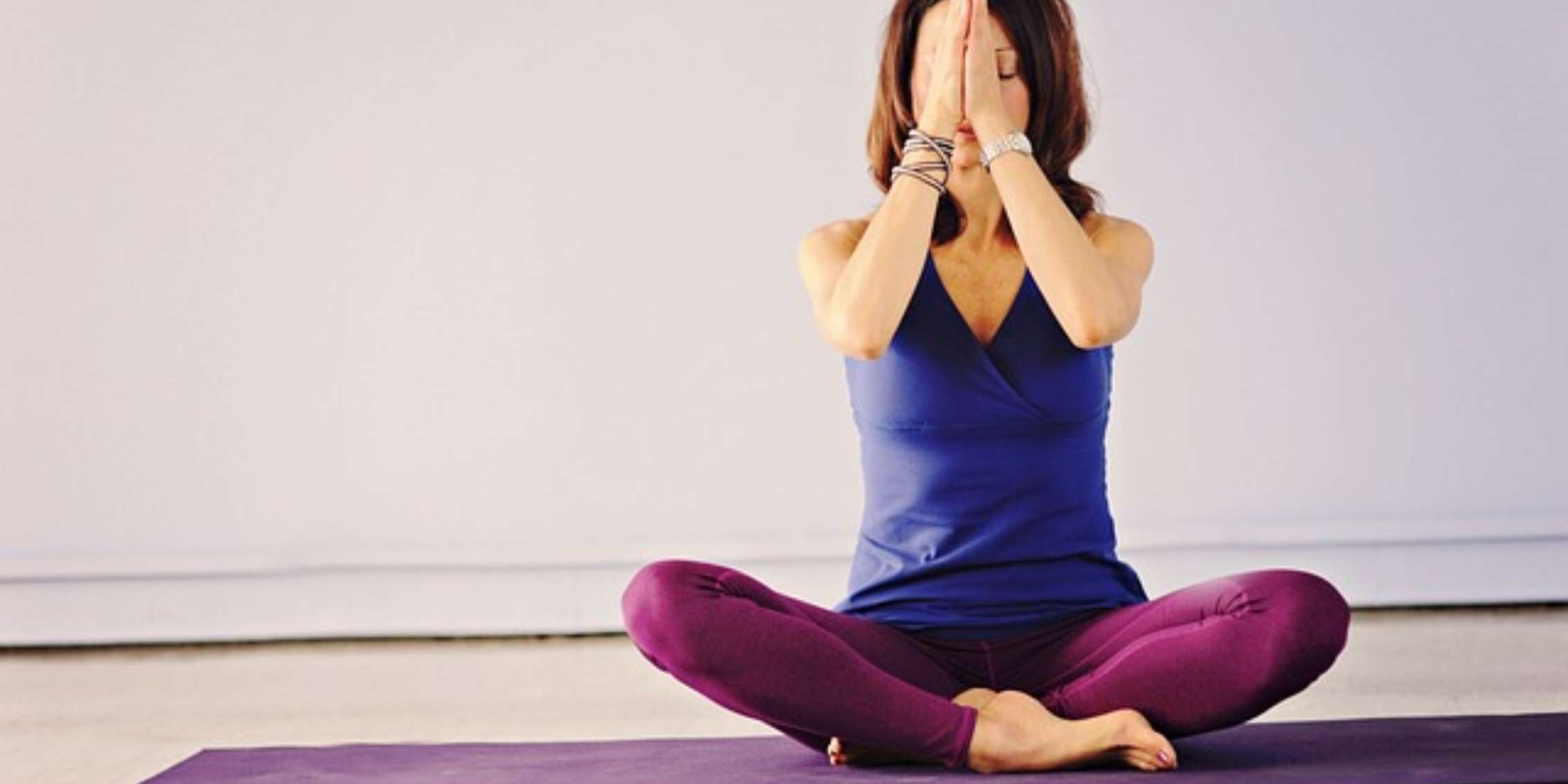
People throw around the word mindfulness a lot these days. It sounds fancy. It sounds like something you need to go to a retreat for. But it is not like that. Mindfulness just means paying attention. That is it. When you eat, you pay attention to the taste. When you walk, you pay attention to your feet. When you do yoga, you pay attention to your body. You notice what feels good. You notice what does not feel good. You do not judge it. You do not try to change it. You just notice. This is important for back pain because most of us are not paying attention to our backs. We sit there hurting and we just push through it. We ignore the signals our body is sending. Mindfulness yoga asks you to stop ignoring. It asks you to listen. When you listen, you learn things. You learn that certain movements help and certain movements make things worse. You learn to trust your mindfulness yoga for back pain relief.
Why stress makes your back worse?
There is a connection between your head and your back. I did not believe this at first. I thought back pain was all physical. A muscle problem. A bone problem. Something that needed to be fixed with heat or ice or surgery. But then I noticed something. My back always hurt more on Mondays. It always hurt more before big meetings. It always hurt more when I was fighting with my wife. That could not be a coincidence. Stress does something to your muscles. It tightens them. Your shoulders go up. Your jaw clenches. Your lower back gets stiff. You might not even notice it happening. But it is happening. Then you start worrying about your back. You think, what if this never gets better? What if I have to live like this forever? That worry makes you more tense. More tense means more pain. It is a loop. A horrible loop. Mindfulness helps break that loop because it teaches you to notice the worry without getting pulled into it. You see the worry. You say hello to it. And then you let it go. You come back to your breath. This lowers your stress. Lower stress means looser muscles. Looser muscles means less back pain.
Read Also: Yoga Postures For Lower Back Pain Relief
What researchers have found about this?
I am not a scientist. I do not read medical journals for fun. But I have looked into this because I wanted to know if I was wasting my time. What I found surprised me. There is actual research on this stuff. Real studies. One study looked at people who work at computers all day. These people all had chronic back pain. Some of them did a program that included yoga and mindfulness. After four months, they had less pain. They could move better. They could bend forward easier. Their spines were more flexible. Another study looked at a bunch of different studies put together. The people who wrote that study said mindfulness-based treatments are safe and effective for low back pain. They said it improves pain and disability and quality of life. That is a big deal. That means it is not just some hippie nonsense. It actually works. Doctors are starting to recommend it now. Not all doctors. But more and more of them.
The real reasons your back hurts
Let me tell you why your back hurts. You sit too much. That is the main reason. You sit at work. You sit in the car. You sit on the couch watching Netflix. All that sitting does bad things to your body. Your hip flexors get short and tight. Your glutes get weak and lazy. Your lower back has to pick up the slack. It gets tired. It gets overworked. It starts to hurt. Then there is your posture. You slouch forward. Your head pokes out in front of your shoulders. Your shoulders round. Your whole spine gets out of alignment. This puts strain on your lower back. It is like carrying a heavy bag on one shoulder all day. Eventually something gives. Yoga helps because it does two things at once. It stretches the tight muscles. It strengthens the weak muscles. Over time, your body comes back into balance. You stand taller. You sit straighter. Your back has less work to do. The mindfulness part helps you notice when you are slouching. You catch yourself. You correct it. You do this enough times and it becomes a habit.
Getting set up for your practice
You do not need much to get started. That is the good news. You do not need fancy clothes. You do not need a special studio. You do not need expensive equipment. All you need is a quiet spot and something soft to sit on. A yoga mat works best but a thick towel works too. Even a rug will do. Keep a blanket nearby. You might want it under your knees or under your hips. Wear clothes that let you move. Sweatpants and a t-shirt are perfect. Tight jeans will not work. You also want to pick a time of day that works for you. Morning is good because it sets the tone for the day. Evening is good because it helps you release the tension you built up. Just pick something and stick with it. Consistency matters more than anything else. Now here is the important part. If your back is really bad, talk to your doctor first. I mean it. If you have a herniated disc or spinal stenosis, some poses are not safe. Also, pay attention to your body during the practice. If something causes sharp pain, stop. Sharp pain is different from a good stretch. Do not ignore it. Do not push through it.
Child's pose for releasing lower back tension
This is probably my favorite pose. It is so simple. It is so gentle. It feels like a hug for your back. Start on your hands and knees. Spread your knees apart. Keep your big toes touching. Then sit your hips back toward your heels. Stretch your arms out in front of you. Rest your forehead on the floor. That is it. Now breathe. Feel your spine getting longer. Feel the muscles in your lower back letting go. It might feel tight at first. That is normal. Just stay there and breathe. If your knees hurt, put a folded blanket under them. If your hips are tight, you might not be able to sit all the way back. That is okay. Go as far as you can. Stay for a minute. Or longer if it feels good. This pose is great for times when your back is really angry. It just gives everything a chance to relax.
Cat and cow for warming up the spine
This pose is all about movement. It gets your spine moving in both directions. That is important because your spine is meant to move. It is not meant to be stiff and locked in one position. Start on your hands and knees. Make sure your hands are under your shoulders and your knees are under your hips. As you breathe in, drop your belly down toward the floor. Lift your sitting bones up. Look forward. This is cow. As you breathe out, round your back up toward the ceiling. Tuck your chin to your chest. This is cat. Move slowly. Match each movement to your breath. Do not rush. Do not force it. Just let your spine move naturally. Do this ten times. You will feel your back start to loosen up. The fluid in your joints starts moving. Your muscles start waking up. It is a great way to start your practice.
Downward dog for stretching the whole back
This is the pose everyone knows. It is the one you see in all the pictures. But do not let that scare you. You do not have to do it perfectly. Start on your hands and knees. Tuck your toes under. Then lift your hips up and back. Push the floor away from you. Let your head hang. Try to straighten your legs. If you cannot, bend them. That is fine. The important thing is the shape. You want your body to look like an upside down V. Hold for five breaths. Feel the stretch in your hamstrings. Feel it in your back. Feel it in your shoulders. This pose does so many things at once. It stretches the back of your legs. It lengthens your spine. It opens your shoulders. If this pose is too hard, do it with your hands on a chair. That takes some of the weight off. You still get the benefits.
Sphinx pose for strengthening the spine
This is a gentle backbend. It is not extreme. It does not ask you to fold yourself in half backwards. It just asks you to lift your chest a little bit. Lie on your stomach. Place your elbows under your shoulders. Your forearms should be resting on the floor. Press into your forearms to lift your chest off the floor. Keep your hips on the floor. Keep your neck long. Do not let your head drop back. Hold for thirty seconds. Breathe slowly. Feel the muscles along your spine working. They are getting stronger. Stronger muscles mean better support for your back. This pose is great for people who spend all day hunched over a desk. It opens up your chest. It pulls your shoulders back. It counteracts all that forward slouching.
Knees to chest for releasing the lower back
This is another one that feels really good. Especially at the end of a long day. Lie on your back. Bend your knees. Pull them toward your chest. Wrap your arms around your shins or behind your thighs. Gently press your knees into your chest. Keep your head and shoulders on the floor. Hold for one minute. Rock gently from side to side. That rocking motion massages your lower back. It feels amazing. You can also straighten one leg at a time and pull the other knee in tighter. That gives a deeper stretch. This pose is simple but effective. It releases all the tension that builds up in your lower back from sitting all day. You will feel the difference immediately.
Spinal twist for releasing tension in the hips and spine
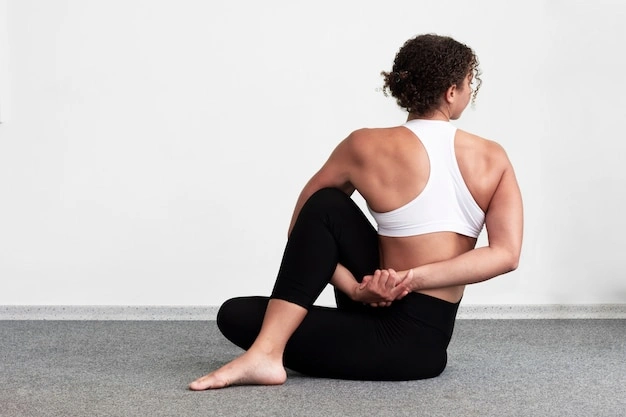
Twists are good for your spine. They keep it mobile. They keep it healthy. Lie on your back. Bend your knees. Let them fall over to the right side. Keep both shoulders flat on the floor. Turn your head to the left. Hold for thirty seconds. Then bring your knees back to center. Let them fall to the left. Turn your head to the right. Hold for thirty seconds. That is it. You are done. This pose releases tension from your hips and your spine. It also helps with digestion. That is a bonus. The key is to keep your shoulders flat. Do not let them lift off the floor. If your knees do not go all the way down, that is okay. Just let them go as far as they can.
You May Also Like: Yoga For Mind Relaxation And Concentration
Putting it together into a daily routine
You do not need to practice for an hour every day. Ten minutes is enough. Ten minutes consistently is better than an hour once a week. Here is a simple routine. Start with cat and cow. Do five slow rounds. Move to downward dog. Hold for five breaths. Walk your feet up to your hands. Lower yourself down to the floor. Pull your knees to your chest. Hold for one minute. Do the spinal twist on both sides. Hold each side for thirty seconds. Lie flat on your back. Let your arms rest by your sides. Close your eyes. Breathe naturally. Stay for two minutes. That is it. You are done. You can do this in the morning before work. You can do it at night before bed. The important thing is to do it every day. It does not matter what time. It just matters that you do it.
Making it work when your pain is severe
Some days you cannot get on the floor. The pain is too bad. Or your knees are acting up. Or you are just too tired. That is okay. You can do a modified version in a chair. Sit up straight in a sturdy chair. For cat and cow, put your hands on your knees. Breathe in and arch your back. Breathe out and round your back. For a forward fold, bend forward from your hips. Let your head hang toward the floor. Let your arms dangle. Stay for thirty seconds. For a twist, sit sideways in your chair. Hold the back of the chair with one hand. Gently twist your upper body to that side. Hold for thirty seconds. Switch sides. These are gentle but they still help. They still give your back movement. They still release tension. Do not let pride stop you from using a chair. The goal is relief, not perfection.
What changes you can expect over time?
Do not expect to feel better after one session. That is not how this works. This is a gradual process. In the first week, you might notice that you feel more relaxed. Your sleep might improve. You might feel less tense overall. In the second week, you might notice that you can stand a little straighter. You might catch yourself slouching and correct it. After a month, the pain might be less intense. You might have more good days than bad days. You might be able to do things that used to be hard. Every person responds differently. Some people see big changes quickly. Others take longer. That is normal. The important thing is to stick with it. Do not give up because you are not seeing results fast enough. Your back has been hurting for years. It is not going to heal in a week. Give it time.
How to make this a lasting habit?
The real benefits come from doing this consistently. It is better to do five minutes every day than an hour once a month. Here are some things that help. Put your mat in a visible spot. If you see it, you are more likely to use it. Set a reminder on your phone. Pick a specific time each day and stick to it. Start small. If ten minutes feels like too much, do five. Five minutes is better than nothing. Remind yourself why you started. Write down how your back feels on good days. Read that when you feel like skipping. Find a friend to do it with. Having someone else to keep you accountable helps. But do not rely on someone else. This is your practice. Your body. Your mindfulness yoga for back pain relief.
Conclusion
Mindfulness yoga is not complicated. You do not need to be flexible. You do not need to be young. You do not need to be in shape. You just need to start. Move slowly. Breathe. Pay attention to how your body feels. If something hurts, stop. If something feels good, keep going. Your back has been carrying you through life. It deserves some care. It deserves your attention. Try these poses. See how they feel. Pay attention to the changes. You might find that your back hurts less. You might also find that you feel calmer. That you feel more in control. That you feel better overall. That is a good thing. That is what this is all about.